

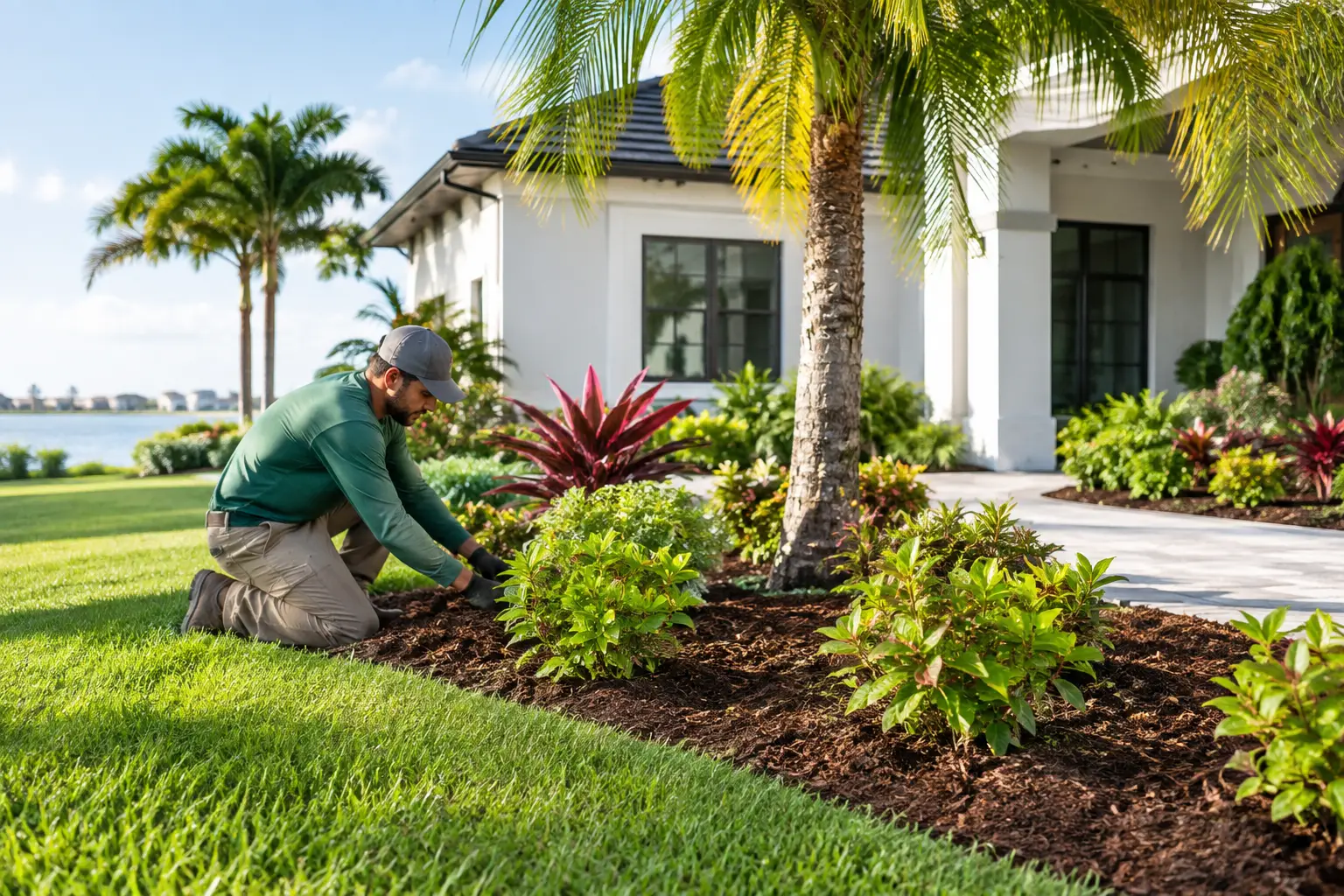
A landscape renovation should do more than replace overgrown shrubs or add fresh mulch. It should make the property feel intentional from the street to the backyard. Choosing a landscape renovation contractor Sarasota FL homeowners can rely on is especially important when the project involves drainage, irrigation, hardscape, lighting, mature plant material, or a new outdoor living area.
Sarasota properties face a particular set of conditions: intense sun, summer rain, sandy soils, salt exposure near the coast, and year-round expectations for outdoor living. A successful renovation accounts for each of them while reflecting the architecture of the home and the way its owners actually use the property.
Begin With the Whole Property, Not a Plant List
A renovation often starts with a visible frustration: a front entry that lacks presence, beds that require too much upkeep, a driveway that feels undersized, or a backyard with no comfortable place to gather. Those concerns matter, but the best solution rarely comes from treating them as isolated issues.
Before selecting plants or pavers, evaluate the entire site. Look at arrival and circulation, views from inside the home, shade patterns, existing grades, drainage paths, irrigation coverage, utility locations, and how the property connects to neighboring homes. On an established Sarasota lot, a new planting plan may be limited by mature trees, root zones, or existing hardscape that can be retained and improved rather than removed.
This is where a design-led approach creates value. The goal is not to install the most features. It is to decide which changes will create the greatest improvement in appearance, function, and long-term maintenance.
What a Landscape Renovation Contractor in Sarasota FL Should Coordinate
Landscape renovations can become complicated quickly because so many systems overlap. A beautiful new lawn will not perform well if drainage is unresolved. A new patio can create water problems if its elevations are wrong. Lighting, irrigation, planting, masonry, and construction all need to work together from the beginning.
A qualified contractor should be prepared to coordinate the property as one project, rather than asking the homeowner to manage separate crews. That includes site planning, material selection, construction scheduling, installation, and a clear plan for care after completion.
Drainage and irrigation come first
Water management is one of the least glamorous parts of a renovation, but it is often the most consequential. Sarasota’s summer storms can expose poor grading quickly. Standing water, washed-out mulch, stressed turf, and water moving toward the home are signs that the site needs more than cosmetic attention.
A renovation may require regrading, drainage improvements, adjusted downspout discharge, or changes to hardscape elevations. Irrigation should then be reviewed zone by zone. Mature plantings, new turf, container gardens, and foundation beds do not necessarily need the same watering schedule. Updating the system can help protect the investment while avoiding wasteful overwatering.
Hardscape establishes the structure
Pavers, walkways, driveways, retaining walls, pool decks, and entry features give a landscape its framework. They also influence how a property feels every day. A wider walk can make an entry more welcoming. A well-proportioned driveway can elevate curb appeal. A terrace that aligns with the home can turn an underused backyard into a true living space.
Material selection should suit both the architecture and the maintenance expectations of the household. Natural stone may be the right fit for one home, while brick pavers or concrete pavers may offer a better balance of appearance, durability, and budget for another. The right answer depends on the home’s style, exposure to weather, and how the space will be used.
Planting should be designed for Sarasota conditions
A renovation is not complete when the hardscape is installed. Plant material gives the property softness, color, scale, and privacy. It should also be selected with realistic expectations for sun, wind, salt tolerance, irrigation needs, and mature size.
Overplanting is a common mistake. A new landscape can look full on installation day but become crowded within a few years, creating extra pruning, poor air circulation, and plants competing for water. Thoughtful spacing allows each plant to develop naturally while preserving the overall composition.
Layering also matters. Canopy trees, palms, screening plants, flowering shrubs, groundcovers, and accent plants should work together to frame key views rather than block them. For many homeowners, the most effective design combines a polished front landscape with a backyard that offers privacy without feeling enclosed.
Design for the Life You Want to Live Outside
The strongest renovations begin with practical questions. Do you entertain frequently? Is the goal a quiet morning space near the pool? Do children or grandchildren need an open lawn area? Is a pet-friendly yard part of the plan? Would an outdoor kitchen, fireplace, fountain, or shaded seating area make the home more enjoyable?
These details shape the layout. A family that hosts dinner outdoors may benefit from a kitchen close to the interior dining area, with lighting that supports evening use. A homeowner focused on privacy may prioritize layered screening and a water feature that softens nearby street or neighborhood noise. A seasonal resident may prefer a refined, lower-maintenance plant palette and materials that hold up well with less frequent attention.
The best projects feel personal because they are built around those decisions, not because every available feature has been added.
Curb Appeal and Property Value Are Connected
For homeowners considering a future sale, landscape renovation can improve the way a property is perceived before a buyer enters the home. The entry sequence, condition of the lawn, driveway presentation, landscape lighting, and framing around the architecture all affect first impressions.
That does not mean every property needs a major overhaul before listing. In some cases, strategic pruning, fresh planting, repaired pavers, irrigation adjustments, and a cleaner entry can make the right impact. In other cases, a dated exterior calls for a more comprehensive renovation that better reflects the home’s value and the expectations of its market.
The appropriate scope depends on the neighborhood, price range, condition of the home, and the owner’s timeline. A contractor with experience in both property improvement and local real estate can help distinguish between an investment that supports marketability and an upgrade best pursued for personal enjoyment.
Questions to Ask Before You Hire
A landscape renovation is a significant investment, so the early conversations should be specific. Ask who will lead the design, who will supervise construction, how changes are handled, and whether the contractor can manage both landscape and related outdoor construction. Review how permits, site access, project timing, and existing features will be addressed.
It is also worth asking what happens after installation. New landscapes need an establishment period, and hardscape, lighting, and irrigation systems benefit from ongoing attention. A contractor that can provide maintenance after the build is complete offers continuity and helps protect the appearance and performance of the finished property.
Be cautious of proposals that focus only on quantity – more plants, more square footage, more fixtures – without explaining the reasoning behind the plan. A clear proposal should identify the project priorities, materials, site needs, and anticipated sequence of work.
One Team From Vision Through Maintenance
Working with separate designers, installers, pool contractors, paver crews, and maintenance providers can create avoidable gaps in communication. A coordinated design, build, landscape, and maintenance team keeps the project focused on a single outcome: a property that looks considered, functions properly, and remains enjoyable well after construction ends.
The Berryman Design Group brings registered landscape architecture, outdoor construction, property maintenance, and residential expertise together for Sarasota homeowners who want one accountable partner. Whether the work is an updated entry landscape, a complete backyard transformation, or a broader property renovation, decisions can be made with the full site in view.
Your home should not have to choose between an imaginative outdoor setting and a practical one. With the right plan and the right team, the landscape can become one of the most valuable and enjoyable parts of the property.