

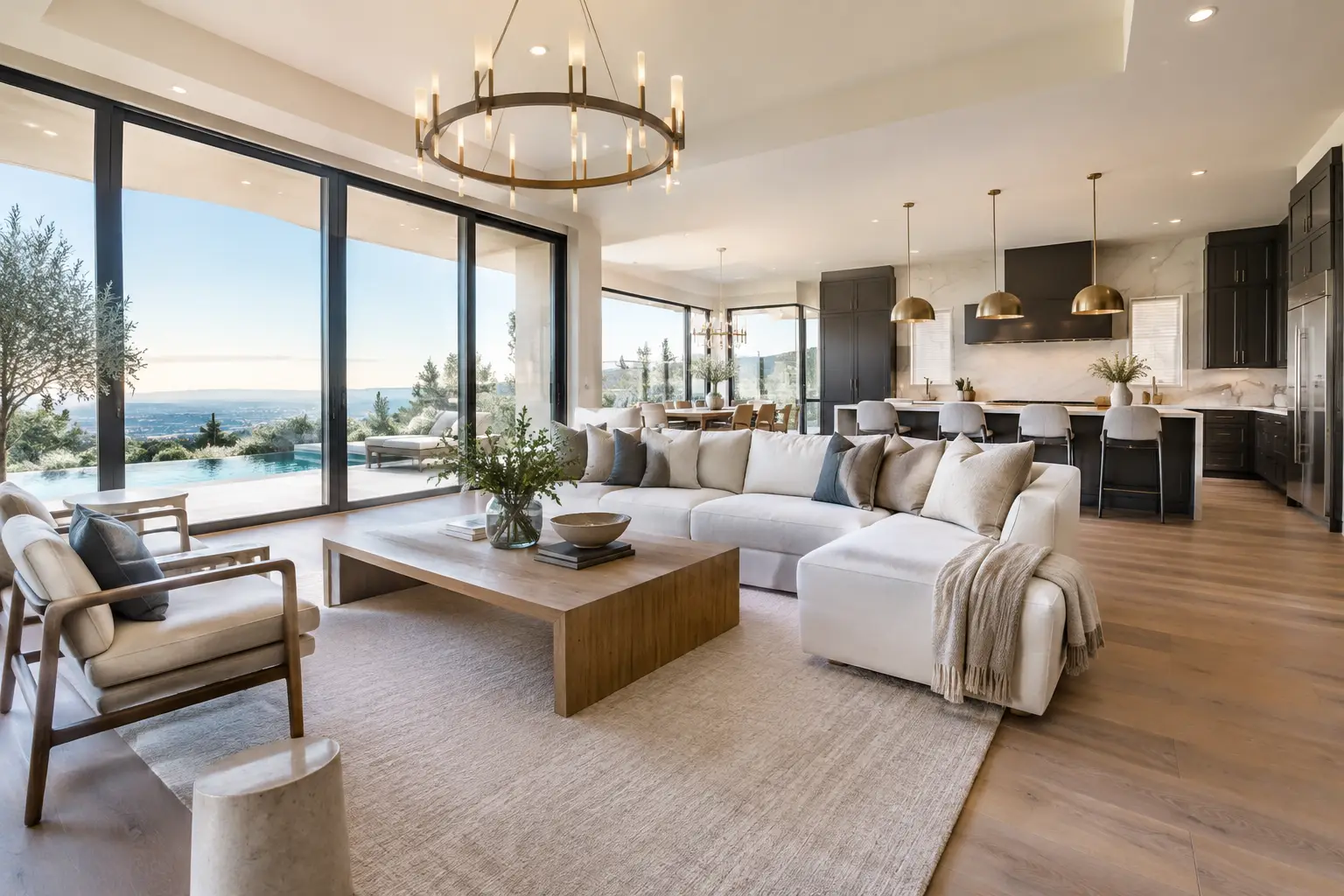
A luxury renovation is not defined by a dramatic fixture, a larger room, or a costly finish alone. On Sarasota properties, the most successful projects make the home, landscape, and outdoor living spaces feel as though they were always designed together. They improve how the property looks from the street, how it performs in Florida’s climate, and how comfortably the owners live there every day.
That is what separates luxury renovations with lasting value from a series of expensive upgrades. The goal is not to add more. It is to make every improvement feel intentional, durable, and connected to the way the home is used.
Start With a Property-Wide Vision
Many renovations begin with one immediate need: an outdated kitchen, limited entertaining space, an aging pool deck, or a primary suite that no longer suits the homeowner. Those needs matter, but solving them in isolation can create a property that feels pieced together over time.
A better starting point is a full-property evaluation. Consider the home’s architecture, the orientation of the lot, existing views, drainage, circulation, mature trees, outdoor gathering areas, and the condition of hardscapes and plantings. A renovation plan should also account for what may happen next. If an addition, pool, outdoor kitchen, or future sale is likely, the early design decisions should support that path.
In Sarasota, the transition between interior and exterior space deserves particular attention. Large openings, covered lanais, outdoor kitchens, pools, fire features, and landscape lighting can extend the usable living area considerably. But those elements need to relate to the home’s scale and style. A contemporary pool terrace can look misplaced against a traditionally detailed residence if the materials, lines, and planting design do not create a visual bridge.
What Makes Luxury Renovations Feel Cohesive
Cohesion is often felt before it is consciously noticed. The driveway arrives naturally at the entry. The front landscape frames the architecture without obscuring it. Interior finishes continue into an outdoor living area in a practical way. Lighting creates warmth and visibility without turning the property into a stage set.
That level of refinement comes from coordination across disciplines. The renovation design should establish a limited, purposeful material palette and repeat it thoughtfully. For example, the stone used at a front entry may inform the coping around a pool or the surround of an outdoor fireplace. Paver color, roof tones, cabinetry, metal finishes, and landscape materials should complement one another rather than compete for attention.
Function should lead the discussion just as much as appearance. A beautiful outdoor kitchen needs sensible access from the indoor kitchen, adequate ventilation, usable counter space, and enough room for guests to move around the cook. A new driveway should be designed with drainage, vehicle movement, and long-term maintenance in mind. A formal garden needs an irrigation strategy and plant selections that can handle its intended level of care.
The best projects are imaginative, but they are never arbitrary.
Design for Florida’s Climate, Not Just a Photograph
A Sarasota renovation must perform through intense sun, seasonal rain, humidity, wind, and salt exposure in coastal environments. Material choices that look exceptional in a showroom may not be right for a particular exterior application.
Natural stone, porcelain, concrete pavers, wood alternatives, stucco finishes, metalwork, and outdoor fabrics all have different maintenance requirements. There is no single correct choice. The right choice depends on exposure, traffic, desired appearance, budget, and how much upkeep the owner wants to manage.
Shade is another essential design material in South Florida. A covered structure, pergola, thoughtfully placed trees, or motorized screening can make an outdoor area far more usable during the hottest parts of the day. Proper drainage and irrigation protect the investment below the surface, while landscape lighting allows paths, patios, specimen trees, and architectural details to be enjoyed after sunset.
Invest Where Daily Life Happens
Not every improvement deserves the same portion of the budget. The strongest renovation plans prioritize the spaces that shape everyday routines and the property’s overall impression.
For some homeowners, that means reworking the kitchen and adjacent living areas so family meals and entertaining no longer compete for space. For others, it means creating a private primary suite, adding a well-designed home office, or improving the arrival sequence with a new driveway, entry walk, gates, and planting plan.
Outdoor improvements frequently deliver an outsized return in Sarasota because they enhance both lifestyle and curb appeal. A pool renovation, expanded terrace, outdoor kitchen, fireplace, or shaded seating area can change how often a family uses its home. Even a smaller landscape renovation can have a substantial effect when it corrects overgrown plantings, improves lawn health, updates lighting, and gives the architecture a stronger setting.
The key is to avoid treating resale value as a checklist. Buyers respond to homes that feel well cared for and easy to enjoy, but the highest return is not always attached to the most expensive feature. An addition that lacks proportion, an elaborate water feature that dominates a modest yard, or highly personal finishes can narrow the property’s appeal. A knowledgeable local team can help homeowners balance personal enjoyment with wise long-term decisions.
Plan the Construction Experience Before Work Begins
Luxury is also defined by how a renovation is managed. Living through construction can be disruptive, especially when several areas of the property are affected. Clear planning reduces avoidable surprises and gives the homeowner a realistic understanding of decisions, timing, and temporary inconveniences.
Before construction begins, the scope should be detailed enough to identify major materials, site conditions, permitting needs, and the sequence of work. Landscape and hardscape work should not be treated as an afterthought following a home renovation. Grading, utilities, drainage, pool access, planting, and lighting often need to be coordinated early to prevent costly rework later.
Homeowners should also distinguish between a fixed vision and flexible selections. It is reasonable to remain open to the exact pendant light or tile variation while protecting the project’s central design direction. Changes made late in construction can affect cost and schedule, particularly when they involve custom fabrication, structural work, or specialty materials.
A unified design, build, landscape, and maintenance approach can make this process easier. Rather than asking separate professionals to interpret one another’s work, the project benefits from shared accountability across the home, site, and finished landscape. For clients who want one experienced team from the first concept through long-term care, that coordination is often as valuable as the finished result.
Build Maintenance Into the Design
A property should look as compelling in year five as it does at completion. That requires realistic maintenance planning, not just a strong initial installation.
Consider how plantings will mature, how easily surfaces can be cleaned, where irrigation components will be accessed, and whether drainage patterns will remain effective after heavy rains. Choose landscape materials that match the owner’s desired level of involvement. A layered, garden-like design can be beautiful, but it may require more detailed attention than a clean, architectural planting scheme.
The same principle applies indoors and out. High-quality finishes are worth protecting with appropriate cleaning methods, sealing schedules where needed, and routine inspections of grout, caulking, pavers, irrigation, lighting, and exterior structures. Regular property maintenance preserves the original design intent while identifying small concerns before they become larger repairs.
A Better Renovation Is One That Belongs
The most memorable renovations do not feel like an addition of disconnected luxuries. They make the home more useful, the grounds more inviting, and the entire property more distinctly its own. Whether the work involves a refined interior, a complete outdoor living environment, or a major addition, every decision should earn its place.
For Sarasota homeowners, the best next step is to look beyond the room or feature that needs attention now and ask what the property could become when architecture, construction, landscape, and ongoing care are planned as one considered whole.