

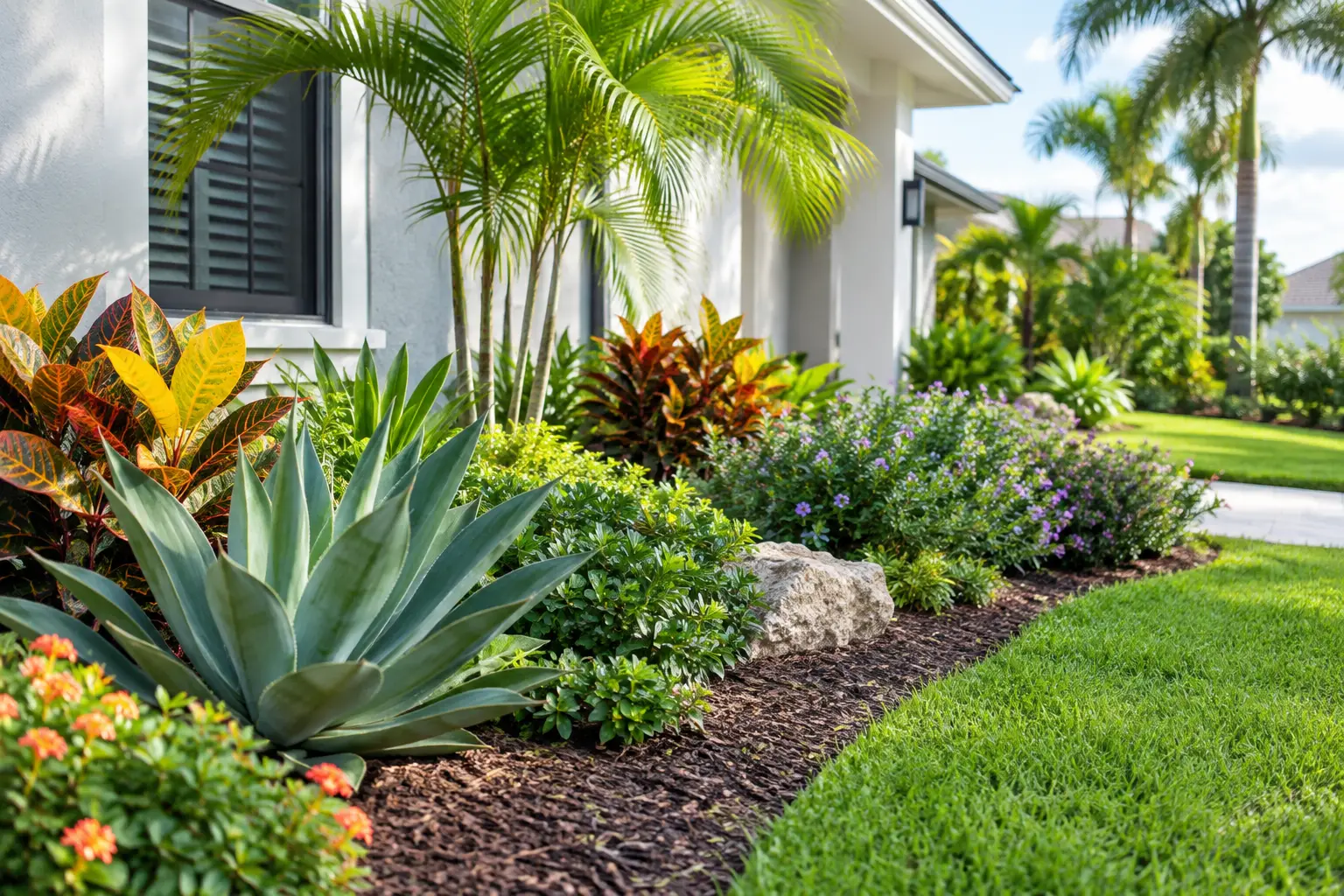
A Sarasota garden can look polished in January and exhausted by August if it is designed for the wrong conditions. Heat, humidity, heavy rain, sandy soil, salt air, and fast-growing vegetation all place demands on a landscape. A successful low maintenance Florida garden does not eliminate care altogether. It reduces recurring work by making the right decisions before the first plant goes into the ground.
For homeowners who want a beautiful arrival experience, an inviting poolside setting, or an outdoor space built for entertaining, the goal is not a sparse yard. It is a landscape with a clear structure, plants suited to the site, dependable irrigation, and materials that age well in Florida’s climate.
What Low Maintenance Really Means in Florida
Low maintenance is often confused with low planting density. In practice, an empty lawn with a few struggling shrubs may require more attention than a richly layered garden designed around durable species. The difference is whether every part of the property has a job and can perform it with reasonable care.
A well-planned Florida landscape should need routine mowing, seasonal pruning, mulch renewal, irrigation checks, and occasional plant replacement. It should not require weekly rescue work, constant hand-watering, repeated replacement of heat-stressed material, or aggressive pruning to keep plants out of walkways and windows.
The best designs also account for how a property is used. A front entry should support curb appeal without obstructing the architecture. A backyard may need open lawn for grandchildren, a screened pool area, shade near an outdoor kitchen, or a private garden view from the primary suite. Maintenance becomes simpler when the layout respects these functions from the start.
Start With the Conditions on Your Property
Sarasota-area properties can vary dramatically, even from one neighborhood to the next. Before selecting plant material, assess sunlight, drainage, existing canopy, wind exposure, irrigation coverage, and proximity to the coast. A plant that performs beautifully in a sheltered inland courtyard may decline quickly in a sunny, salt-exposed waterfront garden.
Match Plants to Sun, Soil, and Salt
Full sun is not simply a bright location. In Florida, it can mean reflected heat from pavers, pool decking, stucco walls, and driveways. These areas need plants that can tolerate both intense light and dry periods between rain events. Shadier spaces beneath live oaks or along the north side of a home call for a different palette and often require thoughtful root-zone protection.
Drainage deserves equal attention. Summer rain can expose compacted soils and low areas quickly. Rather than repeatedly replacing plants in wet spots, address grading, drainage, and irrigation scheduling first. In coastal locations, choose plant material with appropriate salt tolerance and avoid relying on delicate varieties that demand protected conditions.
Design in Manageable Zones
Grouping plants by their water and light requirements makes irrigation more efficient and reduces guesswork. A sunny foundation bed, a shaded courtyard, a turf area, and a container garden should not be treated as one watering zone.
This approach also helps with maintenance access. Beds should be wide enough to create a generous visual effect but not so deep that pruning, weeding, or irrigation repairs become difficult. Allow room around palms, hedges, and specimen plants for crews to work without trampling surrounding material.
Build a Low Maintenance Florida Garden Around Structure
A garden’s framework should look good before seasonal flowers or new growth enter the picture. Evergreen shrubs, palms, ornamental grasses, groundcovers, shade trees, and well-proportioned hardscape create that framework. Once it is in place, accent plants can be used selectively for color, fragrance, or a more tailored look.
Native and Florida-friendly plants can be excellent choices because many are adapted to regional rainfall, heat, and soils. However, a low-maintenance landscape is not limited to a single plant category. The right selection depends on the property’s exposure, desired aesthetic, and level of formality. A clean, architectural garden may use clipped hedges and symmetrical palms, while a more natural setting may favor layered shrubs, grasses, and flowering perennials.
Avoid planting for the nursery-size appearance alone. Many common shrubs and palms outgrow narrow foundation beds, crowd pathways, or block windows when mature. Giving plants their proper spacing may look restrained at installation, but it prevents years of excessive pruning and expensive corrections.
Mulch is another practical part of the structure. A consistent mulch layer helps moderate soil temperature, conserve moisture, and limit weeds. It should be renewed as needed, but not piled against trunks or stems. The goal is a finished appearance that supports plant health, not a thick mound that traps moisture where it does not belong.
Choose Hardscape Materials That Can Handle the Climate
Low maintenance is not only about planting. Driveways, walkways, patios, retaining walls, pool surrounds, and outdoor kitchens often define how much upkeep a property requires.
Brick pavers can create a refined, timeless surface, but they need a proper base, edge restraint, drainage plan, and periodic attention to joints. Natural stone brings character but must be selected for slip resistance, heat, and its ability to perform in a wet climate. Concrete can be a practical option where a clean, contemporary look is desired, though finish quality and control joints matter.
The key is to design hardscape and landscape as one composition. A patio that drains toward planting beds, or a walkway that is too narrow for routine equipment access, creates problems that plant selection cannot solve. Thoughtful grading and durable construction are maintenance decisions as much as aesthetic ones.
Use Irrigation as a Management Tool, Not a Substitute for Design
A dependable irrigation system protects an investment in the landscape, but overwatering is one of the most common causes of decline. Florida’s rainfall patterns change throughout the year, so a fixed schedule rarely makes sense every month.
Separate irrigation zones allow turf, foundation beds, containers, and shaded areas to receive appropriate amounts of water. Drip irrigation can be especially useful in planting beds because it delivers water near the root zone rather than spraying foliage and hardscape. Rain sensors, functioning controllers, and regular inspections help prevent waste while identifying broken heads, leaks, and coverage gaps before they damage the garden.
Even the best system needs oversight. After a major renovation, a new planting installation, or a change in seasonal weather, irrigation settings should be reviewed. New plants require more attentive establishment care than mature, rooted-in material. That short-term investment is what allows the garden to become genuinely lower maintenance later.
Avoid the Choices That Create Constant Work
Some landscape decisions look appealing on installation day but create a long list of tasks over time. High-maintenance annual color beds, for example, can be beautiful near an entry or entertaining area, but they require frequent replacement and irrigation. They work best as a focused accent, not as the entire landscape strategy.
Large expanses of turf can also be demanding, particularly in shaded or poorly drained areas. Reducing lawn where it does not serve a purpose can lower mowing, fertilization, and irrigation needs. That does not mean eliminating turf everywhere. A well-maintained lawn still provides visual calm and usable open space, especially around family and pool areas.
Another common issue is mixing plants with incompatible growth habits. Fast-growing hedges planted beside slow-growing accent plants soon compete for light and space. Delicate flowering material placed under thirsty tree roots may struggle no matter how carefully it is maintained. A unified planting plan prevents these conflicts before they become expensive renovation work.
Keep a Simple, Consistent Maintenance Rhythm
Low maintenance landscapes benefit from professional observation. Seasonal visits can address pruning, palm care, mulch, irrigation performance, weeds, pests, and storm-related damage while small issues are still manageable. The exact schedule depends on the property, but consistency is more effective than waiting for the landscape to look overgrown or stressed.
For larger residential properties, having one experienced team coordinate design, construction, and ongoing maintenance can preserve the original intent of the garden. At Berryman Design Group, that integrated approach helps homeowners make improvements with the long-term care of the property in mind.
A well-designed Florida garden should give you more time to enjoy the view from the lanai, host dinner outdoors, or arrive home to a property that feels composed. The most lasting landscapes do not ask for constant attention. They earn it through smart planning, then reward it year after year.