

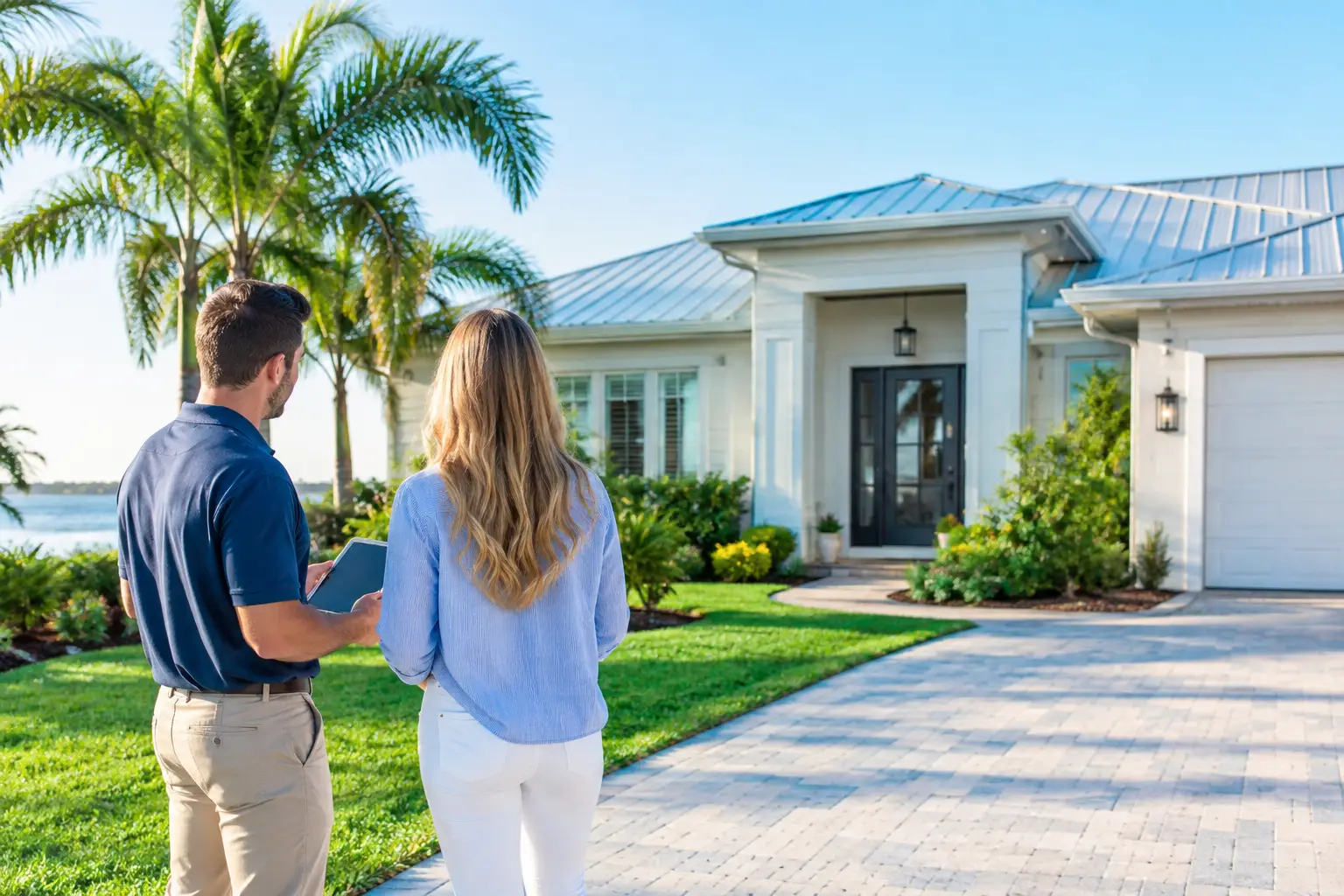
A Sarasota home can have an excellent location, generous square footage, and a beautiful interior, yet still underperform at appraisal because its improvements feel dated, incomplete, or disconnected from the property. The best appraisal improvement projects do more than make a home look more polished. They address condition, function, buyer expectations, and the features that help an appraiser support value through comparable local sales.
For homeowners planning to sell, refinance, or simply invest wisely in a long-term residence, the right question is not, “What project adds the most value everywhere?” It is, “What improvement makes the most sense for this home, this neighborhood, and this Sarasota buyer?”
How Appraisers View Home Improvements
An appraisal is not a reimbursement for every dollar spent on construction. Appraisers consider a home’s condition, livable area, location, amenities, quality, and recent comparable sales. A well-executed improvement can strengthen the property’s position against competing homes, but its value contribution depends on what nearby buyers have actually paid for similar features.
That distinction matters. A custom pool, a high-end outdoor kitchen, or a whole-home renovation may be exactly right for a waterfront or luxury Sarasota property. The same investment can be harder to support in a neighborhood where recent sales do not reflect those features. This does not make the project a poor choice. It simply means the return may arrive partly through lifestyle, marketability, and time on the market rather than a dollar-for-dollar appraisal increase.
Projects also need to feel permanent, complete, and appropriate to the home. Quality workmanship, cohesive materials, proper permits, and a clean maintenance record all help a home present as a well-cared-for asset rather than a collection of isolated upgrades.
The Best Appraisal Improvement Projects Start Outside
In Sarasota, the first impression begins before a buyer reaches the front door. Landscaping, hardscape, driveway condition, irrigation performance, and exterior finishes set expectations for the entire property. If the exterior looks neglected, buyers and appraisers may assume deferred maintenance extends indoors.
Landscape Renovation and Curb Appeal
A thoughtful landscape renovation is one of the most practical ways to improve perceived value. Mature but overgrown plantings, patchy turf, failing edging, and sparse entry beds can make a well-built home seem tired. Replacing every plant is rarely necessary. The stronger approach is a cohesive plan that creates definition, color, healthy scale, and a clear arrival experience.
For Sarasota homes, durable plant selection and irrigation planning are especially important. A landscape should look intentional through heat, heavy rain, and seasonal shifts, not just on the day installation is complete. Proper drainage and irrigation repairs may not be as visually dramatic as new palms or flowering plants, but they protect the investment and reduce signs of stress across the property.
Landscape lighting can also make a meaningful difference in evening showings. Well-placed lighting emphasizes architecture, walkways, specimen trees, and outdoor living areas without making the yard feel overlit. It is a detail that communicates both safety and finish.
Driveways, Walkways, and Pavers
Cracked concrete, stained pavers, uneven walkways, and worn entry paths can quietly lower a home’s perceived condition. Repairing or replacing these surfaces is often a strong move when the driveway is highly visible or no longer complements the architecture.
Brick pavers can add warmth and dimension to a Sarasota property, particularly when they connect the front approach to patios, pool decks, or side-yard paths. The material choice should fit the home. An elaborate paver pattern may not be the best fit for a restrained contemporary residence, while a simple, well-proportioned layout can look exceptional.
Kitchens and Baths Still Carry Weight
Kitchen and bathroom updates remain among the most recognizable interior improvements because they affect daily use and strongly influence buyer reactions. However, a full demolition is not always the best first step.
If the kitchen layout works and cabinetry is in good condition, strategic changes may be enough: updated countertops, lighting, hardware, a coordinated backsplash, or modern appliances. In a home with a poorly functioning layout, undersized storage, worn finishes, or older systems, a more comprehensive renovation can be justified.
Bathrooms benefit from the same disciplined approach. Buyers notice dated tile, inadequate lighting, damaged grout, aging fixtures, and cramped vanities. A clean, well-designed bath with quality materials often performs better than an oversized remodel filled with trendy choices that may age quickly.
The goal is not to create the most expensive room on the block. It is to deliver a level of quality and design that matches, or modestly exceeds, the expectations established by comparable homes in the area.
Add Functional Living Space Where It Counts
Additional finished living area can have a meaningful effect on value, provided it is legally permitted, properly built, and useful to the market. A bedroom addition, expanded primary suite, home office, or flexible family room may improve a home’s appeal when it solves a real functional limitation.
Before planning an addition, consider the home’s current footprint and neighborhood ceiling. A three-bedroom home in an area where buyers consistently seek four bedrooms may benefit from an additional bedroom. But adding a large amount of square footage to a modest home can create a cost basis that local comparable sales cannot support.
Appraisers distinguish between conditioned living space and spaces that are attractive but not fully enclosed. A covered lanai, screened enclosure, detached studio, or converted garage may add appeal, but its contribution is typically evaluated differently than permitted, air-conditioned interior square footage. Clear documentation matters, especially for additions and conversions.
Outdoor Living Is a Sarasota Advantage
Outdoor space is not an afterthought in Sarasota. It is part of how many homeowners entertain, relax, and evaluate a property. A well-designed lanai, pool area, outdoor kitchen, fireplace, or seating terrace can make a home stand out, particularly when it extends the architecture rather than competing with it.
The best projects begin with use. A family that hosts large gatherings may benefit from a generous cooking and dining zone. A couple focused on quiet evenings may prefer a smaller fireplace terrace, water feature, and layered landscape lighting. When outdoor features are designed around the property and the owner’s lifestyle, they tend to feel more valuable than a checklist of luxury amenities.
Pools deserve careful consideration. In many Sarasota neighborhoods, a pool is a major market advantage and may be expected in certain price ranges. In others, it may narrow the buyer pool or offer less appraisal support than anticipated. The condition of the existing pool also matters. Resurfacing, updated coping, modern equipment, and a refreshed deck can be more practical than building a new pool when the fundamental structure is sound.
Do Not Overlook Condition and Resilience
Some of the best appraisal improvement projects are not the most photogenic. Roof replacement, window upgrades, exterior repairs, electrical modernization, plumbing work, HVAC replacement, and drainage corrections can protect value by removing buyer concerns and preventing inspection issues.
Florida buyers are particularly attentive to storm readiness, insurance considerations, moisture management, and the age and condition of major systems. These investments may not create the same emotional response as a new kitchen, but they can make a home easier to finance, insure, inspect, and sell.
Keep records for major work, including permits, contractor information, warranties, invoices, and before-and-after photographs. Appraisers may not use every document directly, but organized records make it easier to identify completed improvements and demonstrate the home’s level of care.
Choose Projects That Fit the Property
The most reliable strategy is to prioritize visible condition issues first, then focus on improvements that bring the home into alignment with its location and likely buyer. A refreshed entry and landscape may be the right first investment for one property. Another may need a kitchen renovation, an addition, or a complete reworking of outdoor living space.
A unified design and construction plan helps avoid the common mistake of improving one area while leaving adjacent spaces visibly behind. At Berryman Design Group, landscape architecture, construction, and property maintenance can be considered together, helping homeowners create improvements that feel intentional from the street to the backyard.
The strongest investment is a home that looks cared for, functions beautifully, and belongs naturally in its Sarasota setting. When those elements come together, the value is easier to see long before the appraisal report is complete.