

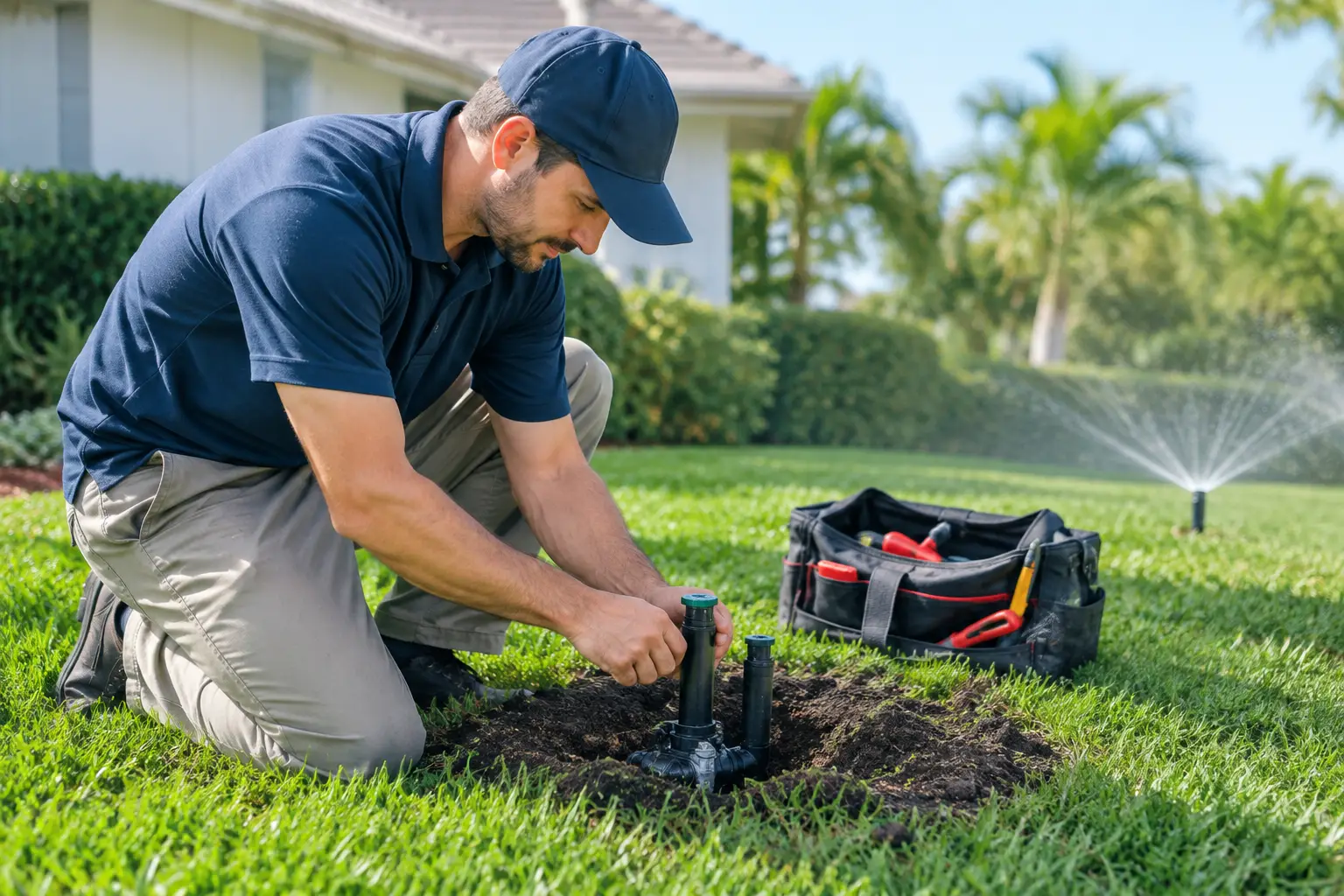
A lawn can look perfectly healthy at breakfast and reveal a soggy low spot, a dry planting bed, or a broken spray pattern by late afternoon. In Sarasota, where intense sun, sandy soils, summer rain, and year-round landscape investment all place demands on a system, a Sarasota irrigation repair service is about more than replacing a sprinkler head. It is about protecting the health, appearance, and long-term value of the property.
A properly operating irrigation system delivers water where plants need it, when they need it, without soaking driveways, staining walls, or sending water into the street. When a problem develops, the visible symptom is often only part of the story. A thoughtful repair starts with diagnosis, then addresses the component and the conditions that caused the failure.
The Signs Your Irrigation System Needs Attention
Some irrigation issues are obvious. A geyser of water from a broken head, a zone that will not turn off, or water pooling along a walkway deserves prompt attention. Other problems develop slowly and can be easy to overlook until turf thins out or plant material begins to decline.
Watch for areas of lawn that stay unusually green and soft, particularly when surrounding turf is dry. This may point to a leak in a lateral line or a damaged fitting beneath the soil. A wet spot near a valve box can indicate a valve that is failing to close fully. On the other end of the spectrum, recurring dry patches may result from clogged nozzles, low pressure, a broken pipe, a wiring issue, or heads that have shifted as roots and soil move over time.
Water spraying onto pavement is another common concern. It is not always caused by a bad sprinkler head. A head may be too high, tilted, improperly selected for the area, or set with an incorrect arc. If landscaping has matured since the system was installed, shrubs may also be blocking spray from reaching the lawn or planting bed behind them.
A sudden increase in water use deserves investigation as well. Sarasota homeowners often first notice an irrigation issue on a utility bill. A system that runs longer than intended, cycles more often than programmed, or leaks underground can waste a significant amount of water before it creates a visible problem.
What a Sarasota Irrigation Repair Service Should Diagnose
Effective irrigation repair begins with a complete review of the affected zone and its controls. Replacing the first damaged component found may solve an immediate issue, but it does not necessarily correct poor coverage, pressure imbalance, or an outdated schedule.
A qualified technician should examine sprinkler heads, nozzles, valves, wiring, pipe connections, controller programming, and rain-sensing equipment. The goal is to determine whether the system is applying water evenly and whether each zone is appropriate for the plant material it serves. Turf, palms, flowering beds, hedges, and newly installed landscape areas do not all have the same water needs.
Pressure is a frequent source of performance problems. Too much pressure can create misting, which allows wind and heat to carry water away before it reaches the root zone. Too little pressure can leave heads unable to pop up or produce the coverage they were designed to provide. Both conditions can lead a homeowner to run the system longer, which raises water use without solving the underlying issue.
Controller settings also need a closer look. A schedule that made sense during a dry spring may be excessive during the summer rainy season. Conversely, newly planted material may need a temporary watering approach that differs from an established lawn. Modern controllers and rain sensors can support more responsive watering, but only when they are correctly installed, programmed, and maintained.
Repairing the System Without Losing Sight of the Landscape
The best repair decision depends on the age of the system, the condition of the landscape, and the homeowner’s plans for the property. A single cracked fitting in an otherwise well-designed system is a straightforward repair. Repeated breaks, uneven coverage across several zones, and obsolete controller equipment may justify a more comprehensive update.
This is especially true during a landscape renovation. New pavers, a pool addition, expanded planting beds, or an outdoor kitchen can change drainage patterns and eliminate lawn areas that were once irrigated. Leaving the old layout in place can create unnecessary watering and awkward head placement around new features. Coordinating irrigation adjustments with the landscape and construction plan prevents costly rework after the project is complete.
At Berryman Design Group, irrigation-related upkeep can be considered alongside landscape maintenance, planting, hardscape, and larger outdoor improvements. That broader perspective helps ensure a repair supports the overall property rather than functioning as an isolated fix.
Common Sarasota Irrigation Problems and Their Priorities
Not every problem requires the same response time. A broken head spraying water across a driveway should be addressed quickly because it wastes water and can create a slippery surface. A valve that will not shut off is more urgent, particularly if it is affecting the home, hardscape, or neighboring property.
Underground leaks require timely attention, even when they seem minor. Sarasota’s sandy soil can allow water to travel below the surface, making the source difficult to locate. Over time, excess water can wash out soil around pavers, undermine edges, or contribute to turf and plant stress in unexpected areas.
A zone that does not run may be less urgent, but it should not be ignored during warm weather. Before assuming the issue is electrical, a technician should check the controller, valve solenoid, wiring connections, and water supply. The right repair may be simple, but guessing can lead to unnecessary replacements.
Poor coverage is often a medium-priority concern that becomes expensive if left unresolved. When a few areas receive too little water, homeowners may compensate by increasing run times for the entire zone. The result is thirsty spots that remain stressed while other areas become overwatered. Adjusting arcs, replacing worn nozzles, separating incompatible plant material into better zones, or correcting pressure can produce a far better result than simply adding minutes to the schedule.
How to Protect Your System Between Service Visits
Homeowners do not need to become irrigation technicians, but a brief monthly observation can catch many problems early. Run one zone at a time and walk the property while it operates. Look for heads that do not rise, spray hitting structures or pavement, water bubbling from the ground, and sections of landscape receiving no water.
Keep mulch and soil from covering sprinkler heads, especially after planting or bed maintenance. Heads buried too deeply can produce distorted patterns and may be damaged by mowing equipment. Prune plant material that blocks spray, but do so with the mature landscape in mind. Aggressive trimming is not a substitute for correcting a system that no longer fits the planting plan.
It is also wise to revisit the controller as seasons change. Summer rain does not always mean irrigation can be switched off entirely, since rain can be uneven across a property and dense planting beds may intercept it. Still, a fixed schedule should be adjusted when weather conditions, watering restrictions, or landscape needs change. The right setting depends on soil conditions, sun exposure, plant maturity, and recent rainfall.
Choosing the Right Repair Approach for Your Property
For a modest issue, fast and targeted repair is usually the right choice. For a property with recurring trouble, the decision should be based on total performance rather than the cost of the next individual part. Continually replacing heads in a poorly designed zone may cost less today, yet continue to compromise the landscape and increase water use year after year.
Ask whether the repair will restore proper coverage, whether the existing controller and rain sensor are still serving the property well, and whether upcoming renovation work could affect the system. Homeowners planning to sell may also benefit from resolving visible irrigation concerns. Healthy turf, attractive beds, and dry, well-maintained hardscape contribute to the curb appeal buyers notice from the moment they arrive.
A well-maintained irrigation system should stay largely out of sight while doing a very visible job. When water reaches the right places, landscapes look intentional, outdoor spaces remain inviting, and the property is better positioned to perform beautifully through every Sarasota season.